Yuba River Cleanup Returns September 19 Across Watershed
Free registration is open for SYRCL’s 29th annual volunteer event.
6 min read
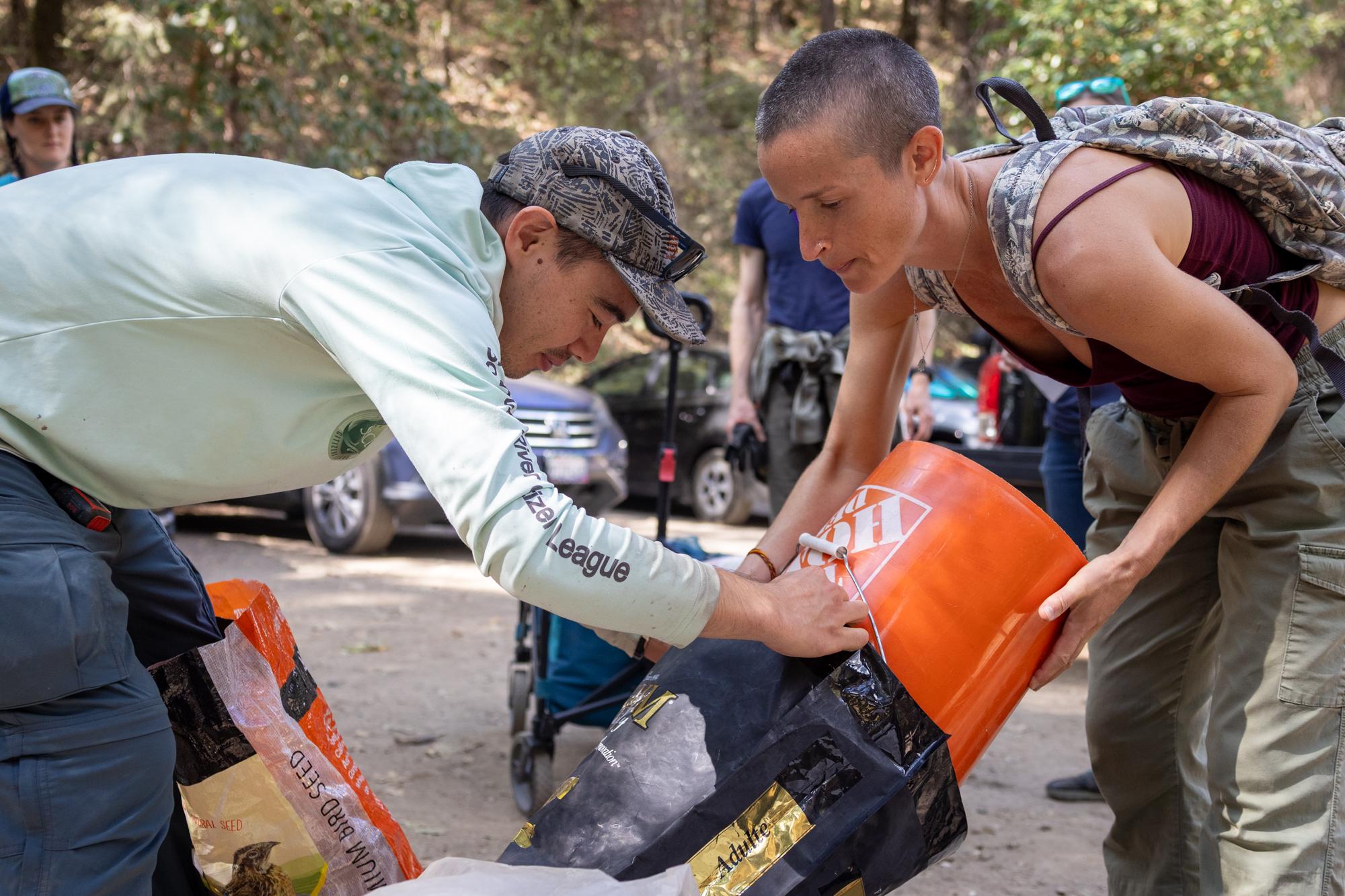
Yuba River Cleanup volunteers in 2025. Photo: Trenton Branson, courtesy of SYRCL.
NEVADA CITY — The South Yuba River Citizens League (SYRCL) will hold its 29th Annual Yuba River Cleanup on Saturday, September 19, sending volunteers to sites across the Yuba River watershed from the Sierra Nevada headwaters to the lower river. The cleanup runs from 9 AM to noon; registration is free, and sign-ups are already open at yubariver.org. Afterward, volunteers are invited to a free appreciation meal and community celebration at Condon Park in Grass Valley beginning at noon.
SYRCL argues that trash pulled off a riverbank in Nevada County matters well beyond the county line. Litter left along the Yuba can be picked up by stormwater and seasonal flows, carried downstream through the watershed into the Sacramento River, and eventually contribute to marine debris in the Pacific Ocean. Clearing it in September, before the first significant storms of the wet season, keeps the material out of the water.
September 19 is also California Coastal Cleanup Day, which the California Coastal Commission is holding for the 42nd time, from 9 AM to noon. The state calls it California’s largest annual volunteer event, and it covers inland creeks, rivers, and lakes as well as beaches, on the premise that virtually every body of water in California eventually flows to the ocean. It is part of the International Coastal Cleanup organized by the Ocean Conservancy. SYRCL launched the Yuba River Cleanup in 1997 after taking inspiration from the coastal event, and says the annual effort has since removed more than 135 tons of garbage and recycling from the watershed.
Last year’s turnout gives a sense of the scale. On September 20, 2025, 657 volunteers worked at 25 sites throughout the watershed under 29 site captains and removed an estimated 8,000 pounds of trash and recycling. The emphasis was on microtrash—cigarette butts, dental floss picks, broken glass, and small fragments of plastic that are easy to overlook but hard on water quality and wildlife. Volunteers also hauled out a chandelier, a fishnet skirt, a mining beam, and an antique animal trap.
Smaller cleanups have continued through the summer. On June 7, sixteen volunteers collected roughly 50 pounds of waste at the Oregon Creek Recreation Area, ranging from plastic wrappers to a deflated raft. On July 12, another sixteen volunteers spent less than two hours at Bridgeport and removed more than 160 pounds of food containers, cups, clothing, float tubes, toys, plastic bottles, diapers, and cigarette butts.
SYRCL says the need is unusually visible in 2026 because its River Ambassadors are reporting some of the largest crowds in recent years at popular crossings. The ambassador program, now in its fifteenth year, stations staff and volunteers at South Yuba River State Park crossings on summer weekends to hand out trash bags and talk with visitors about river safety, fire safety, and packing out waste. In the summer of 2025, ambassadors counted 36,407 visitors at the crossings and spoke with 8,827 of them, 88.2% of whom came from out of town. Reduced funding cut the program back to Saturdays only this year, which the organization says makes volunteer support more important.
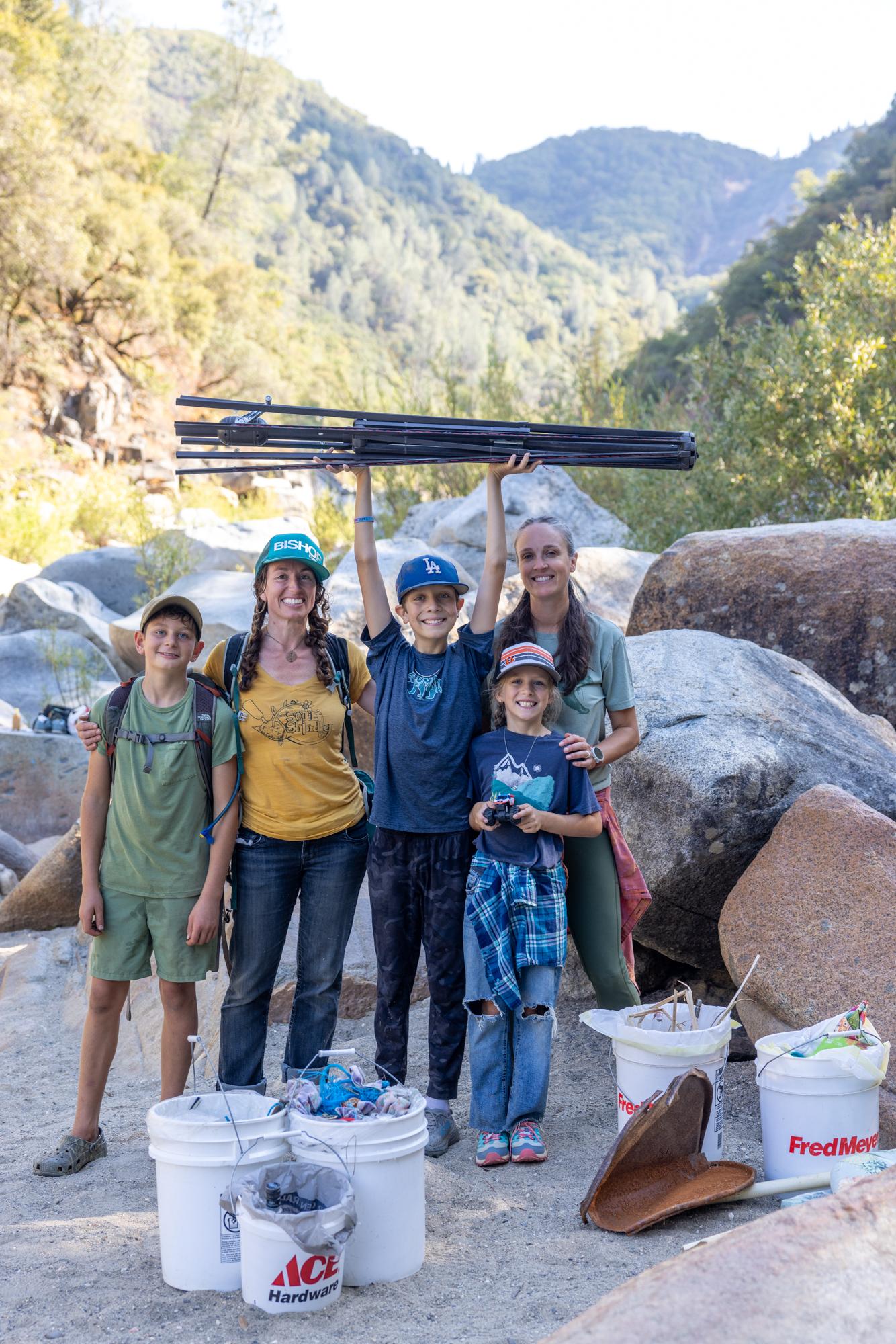
Participants in the 2025 cleanup effort. Photo: Trenton Branson, courtesy of SYRCL.
The cleanup also falls in an anniversary year for the river itself. California Governor Gray Davis signed Senate Bill 496 in 1999 designating 39 miles of the South Yuba River as Wild and Scenic under state law. The protection took effect on January 1, 2001, after a one-year delay intended to address flooding concerns near Marysville, making 2026 the 25th year the designation has been in force. It bars new dams and diversions on the protected segments and requires water management decisions to account for the river’s protected values.
“There is something powerful about hundreds of people coming together to care for a place they love,” Executive Director Aaron Zettler-Mann said in announcing the event. “This year, as we celebrate 25 years of Wild & Scenic designation for the South Yuba River, the Cleanup is a reminder that civic engagement does not have to be complicated. Showing up on September 19, filling a bag, walking a riverbank, spending a morning with your community, is an act of stewardship whose reach extends from the Sierra Nevada all the way to the Pacific Ocean.”
Registration is open now and closes Thursday, September 17. The online portal lists each cleanup site with a description and driving directions, and an interactive map shows where the sites are and how accessible each one is. Anyone organizing a group—a business, a club, a school, or a scout troop—is asked to contact Community Engagement Manager Emily Wilson at emily@yubariver.org rather than sign up members one by one. Wilson can also be contacted for cleanup site information.
Roughly two dozen cleanup sites are posted, stretching most of the length of the watershed. On the South Yuba, they include five separate crews around Bridgeport, and three at the Highway 49 Crossing. The list also covers Jones Bar, Purdon Crossing, Edwards Crossing, Langs Crossing and Emerald Pools, and the beach at the bridge in Washington. Farther out are Deer Creek in downtown Nevada City and at Pioneer Park, Wolf Creek Trail and Idaho-Maryland Road in Grass Valley, Spring Creek on the San Juan Ridge, the Bear River fishing access, the Bear Yuba Land Trust’s Wildflower Preserve, Oregon Creek and the Pioneer Trail along Highway 20 in Tahoe National Forest, Parks Bar on the lower Yuba, and the Yuba and Feather confluence at Marysville.
Volunteers who cannot commit to the three-hour morning window can choose a self-guided cleanup anywhere in the watershed, picking up supplies and working a favorite site during a flexible period. Other volunteer positions include setting up and breaking down the Condon Park party, running games, serving drinks, managing the food line, photographing the event, handling paperwork at the SYRCL office, washing reusable supplies afterward, and hanging posters in Auburn, Truckee, Penn Valley, North San Juan, and other towns.
Those going to a staffed site should arrive by 9 AM, where a site captain signs them in, collects liability waivers, gives a short safety briefing, and hands out gloves, bags, and data cards. Crews are then pointed toward the most heavily affected areas, and volunteers are asked to record the size, type, and weight of what they collect as they work. Participants can go at their own pace and stop whenever they finish, then return their data card and help haul the trash to the nearest disposal point.
SYRCL asks volunteers to wear sturdy footwear, work clothes, gloves, sunscreen, and a hat, and notes that some sites call for long sleeves and long pants because of blackberries and poison oak. The organization encourages people to bring their own bucket, litter-getter, and gloves, but will supply them to anyone who cannot. For the party at Condon Park, volunteers are asked to bring reusable plates, silverware, cups, and water bottles to keep the gathering as close to zero waste as possible.