California Health Officials Warn Against Wild Mushroom Foraging
Deadly amatoxin poisonings from foraged fungi have surged across the state, prompting officials to call for caution.
2 min read
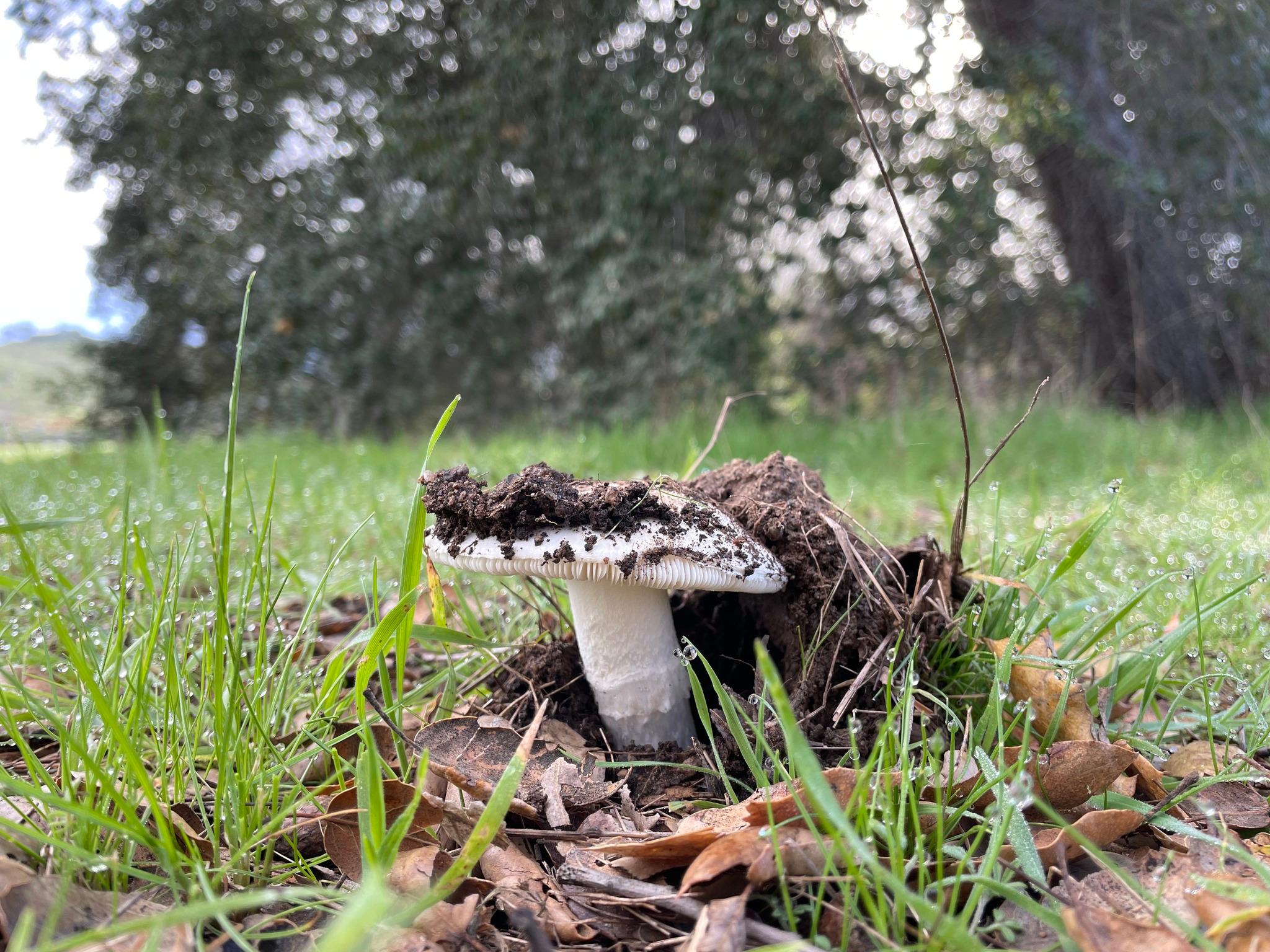
Amanita ocreata, known as the western North American destroying angel.
CALIFORNIA — California public health leaders are urging residents to avoid foraging for any wild mushrooms. The advisory, first issued in December 2025, remains in full effect after an unprecedented outbreak of severe poisonings tied to toxic species has extended well into spring.
Between November 18, 2025, and May 11, 2026, the California Poison Control System recorded 47 cases of amatoxin poisoning. Four people died, and four others needed liver transplants. Most victims ate either death cap mushrooms or western destroying angels, both of which contain amatoxins that attack the liver and kidneys. Cooking, drying, or freezing the fungi does nothing to neutralize the toxins.
Sacramento County Public Health reported three additional cases on May 19, 2026, bringing fresh attention to the ongoing risk. Those patients, like many others statewide, accidentally picked and consumed the poisonous mushrooms. Eight new cases of poisoning emerged in the four weeks leading up to mid-May. The illnesses have affected people from toddlers to older adults, including entire families who shared meals made with foraged fungi.
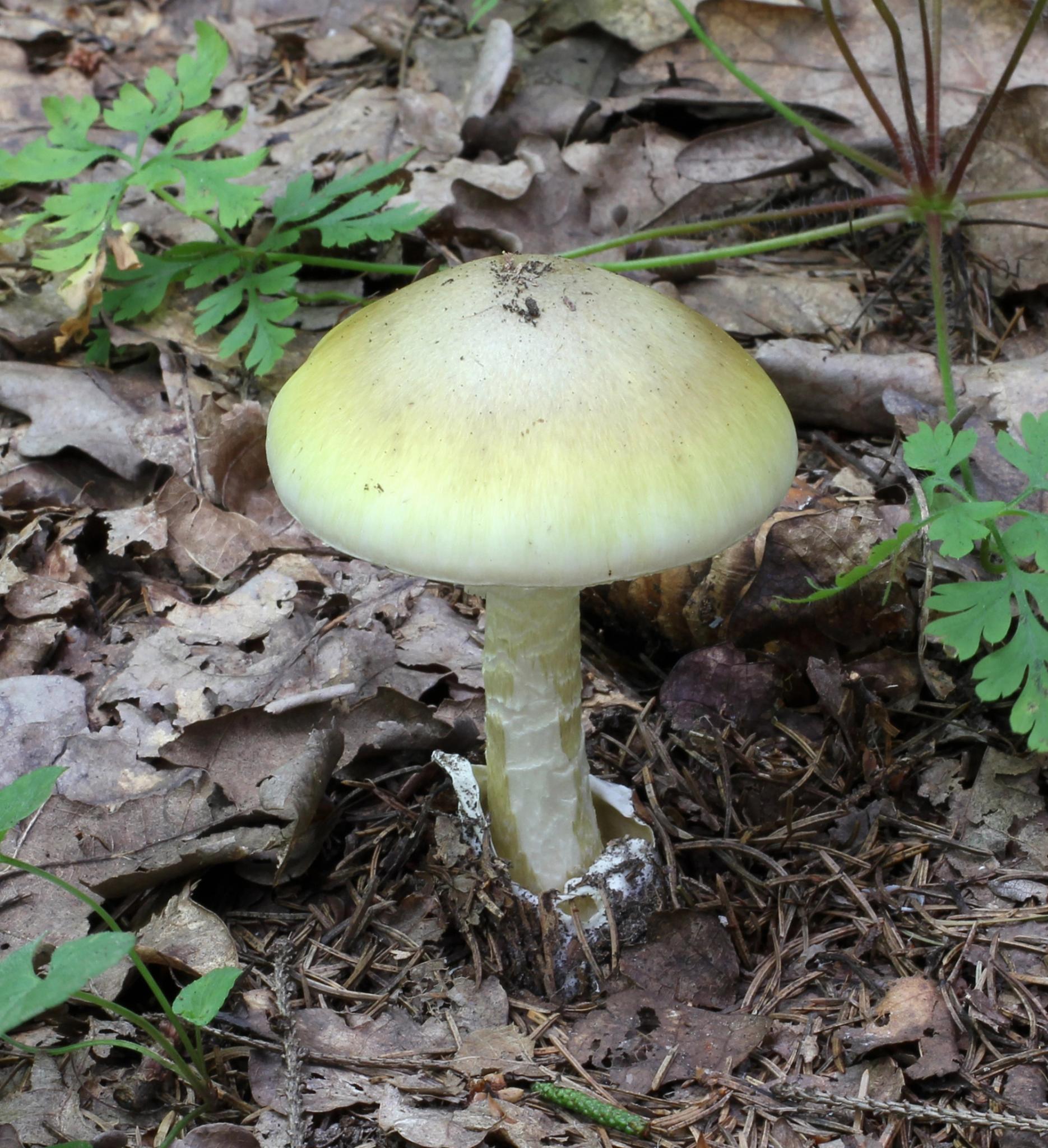
Amanita phalloides, commonly known as the “death cap” mushroom.
Death caps and western destroying angels prove especially dangerous because they can closely resemble edible varieties. Death caps, with their greenish-yellow to mustard caps and white gills, can look like common field mushrooms. Western destroying angels appear mostly white and may mimic young puffballs or other safe species in their early stages. Even experienced foragers sometimes overlook key traits, such as the cup-like volva at the base of the stem or the ring on the stalk, especially if the mushroom is not fully excavated from the soil.
Death caps, an invasive species introduced in the early 20th century, grow mainly near oak trees, including coast live oaks, as well as other hardwoods and occasionally pines. They appear in woodlands, urban parks, backyards, and grassy areas throughout Northern California and the Central Coast. Western destroying angels, native to the region, associate almost exclusively with oaks in mixed forests and similar habitats. Abundant rains this year have fueled a prolonged super bloom, allowing the mushrooms to fruit later than usual and in places where they are not typically abundant.
Erica Pan, director of the California Department of Public Health, emphasized the risk of misidentification in an earlier statement. “Because the death cap can easily be mistaken for edible safe mushrooms, we advise the public not to forage for wild mushrooms at all during this high-risk season.”
Health authorities stress that the only safe mushrooms come from grocery stores or trusted markets. Anyone who experiences severe vomiting, diarrhea, or stomach pain after eating wild mushrooms should seek emergency care immediately and contact the Poison Control hotline at 1-800-222-1222. Officials continue to monitor reports and have distributed multilingual fact sheets on the danger.