The Middle Seat
3 min read
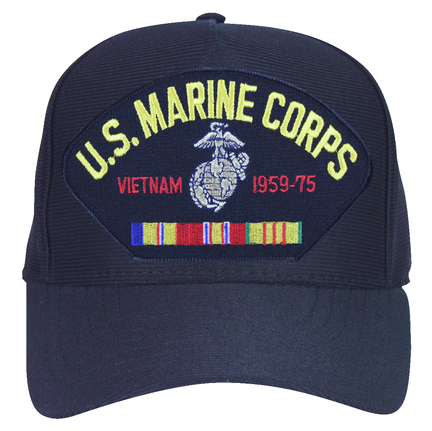
The flight north this week would be one of the best, though certainly not because of the location of my seat, which was the middle one in a row of three. At least that’s what I thought as I was boarding. The middle seat was all that was available on short notice, and I was competing against regular seasonal travelers, all vying for limited spots on the way back to eastern Long Island, which is served by the regional Islip airport. During pre-boarding, the seat to my right was already occupied by an elderly woman with a small dog next to her, comfortably ensconced in my assigned seat. The woman was pleasant enough and moved her bundle of white fluff into a mesh pet travel case on the floor in front of her.
As I was securing my work bag at my feet, a tall fellow entered our row and sat down in the aisle seat. He wore a baseball cap, and as he turned to say a friendly airplane “hello,” I noticed “U.S. Marine Corps” on the peak of his hat. Well, I was in luck. Maybe my seatmate was a Vietnam veteran who could provide some color for the character, Tim Bassett, that I am developing for a novel. We introduced ourselves over the various announcements on the intercom. His name was Jack McCormack, and he confirmed he was indeed a Vietnam vet. He was part of a small group of Long Island veterans who had recently participated in a local Public Television program about servicemen and their experiences in combat. Boy, was I lucky. He was full of stories, and I had him all to myself for the next three hours. We talked about his time at boot camp at Parris Island in South Carolina, followed by a 12-month tour of duty on the fighting front. He said his most difficult moments were when his battalion was ordered to do a “sweep,” i.e., attack and force the enemy to move into a vulnerable position. His battalion was ambushed, and the battle went back and forth all day. They were never able to overrun the enemy, and the firefight ended in a stalemate with both sides backing away. When they evacuated, fifteen marines killed in action had to be abandoned, and when his team went back two weeks later to retrieve the bodies, they found they had been mutilated. He said combat is horrible and changes a person. He added, “It is important to understand that the people sent by our government to fight these battles go out of an honest sense of duty and patriotism—not politics—and that those who have fought and risked everything for their country should be honored and remembered.” For three hours, I had the honor of sitting next to a real American hero.